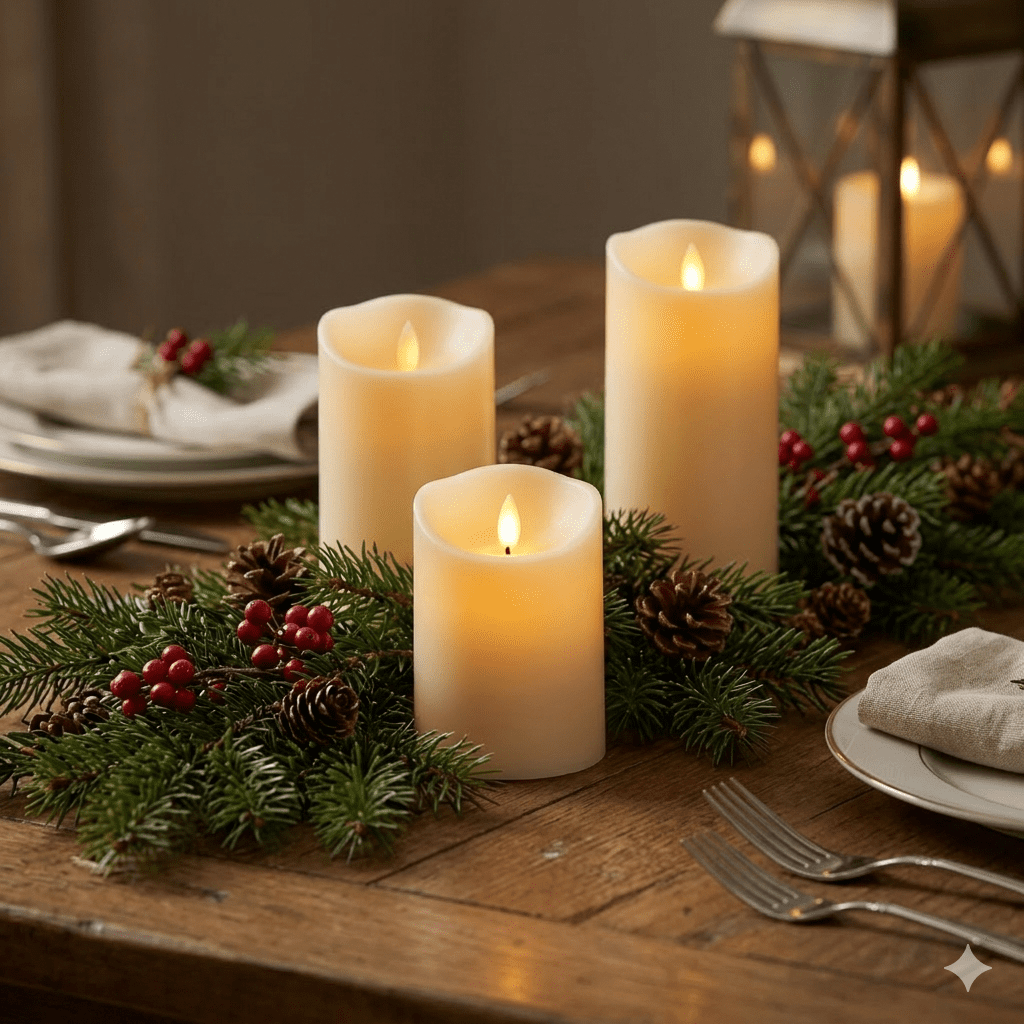
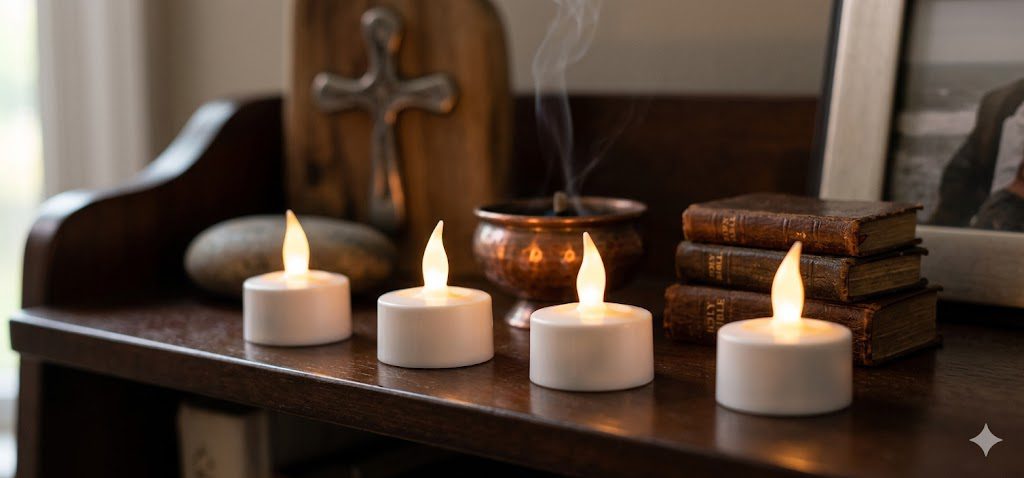
Battery operated candles for lanterns help create a finished room without wick trimming, hot wax, or daily rearranging. The right set should look like an electronic candle on purpose: a clean body, a stable base, and a warm plastic LED flame tip that suits the room.
This Zabicat guide explains how to compare battery operated candles for lanterns by size, control features, glow quality, placement, and maintenance. It is written for shoppers who want realistic home decor results from actual LED candle products, not generic candle styling advice.
Product context: start with this Zabicat product option, compare it with this related Zabicat product, and use this Zabicat guide for nearby buying advice.
Battery Operated Candles for Lanterns Need the Right Scale
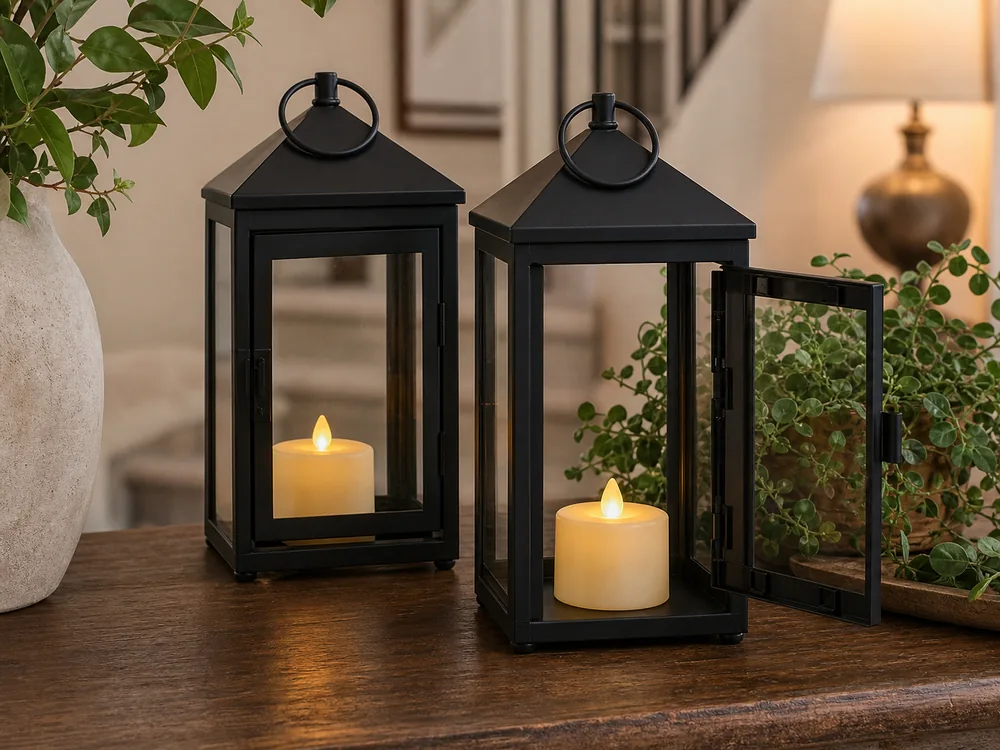
Battery operated candles for lanterns should look intentional inside the frame, not lost at the bottom or squeezed against the glass. A lantern adds vertical lines, reflection, and shadow, so the candle has to be chosen for both size and glow. Short ivory LED pillars often work well because they provide visible light while leaving space around the top and sides.
Measure the lantern interior before choosing a candle. Check height, width, door clearance, and the space needed to lift the candle out for battery changes. If the candle barely fits, the lantern will be difficult to maintain. If it is too small, the light may look like an afterthought instead of the purpose of the display.
Short Pillars Usually Beat Tall Tapers in Lanterns
Tapers can look elegant in open holders, but lanterns usually need a broader base. A short pillar sits securely, reflects light through the glass, and gives the arrangement a grounded look. That is why Zabicat’s short LED pillar style is a practical starting point for lantern decor, especially when the lantern will be moved or placed on a porch table.
A moving-wick or leaf-shaped plastic LED flame can add life without needing a tall candle. In a lantern, the viewer often sees the light through glass or from a slight distance, so body scale and steady glow matter more than extreme height. Stability should come before drama.
Look for a Warm Glow, Not Maximum Brightness
Lantern glass can intensify reflection. A candle that looks gentle on a table may feel too bright once it sits behind panes. Choose a warm LED tone and test it in the lantern at night. If the glow creates sharp glare spots on the glass, use a lower brightness mode or a candle with a softer plastic flame insert.
Warm ivory bodies are usually easier to style than bright white bodies because the lantern frame already creates contrast. Black lanterns, brass lanterns, wood lanterns, and woven lanterns all pair well with a soft ivory candle. The more visible the frame, the quieter the candle body should be.
Remote Control Helps When the Door Is Awkward
Lantern doors can be narrow, hinged in the wrong direction, or blocked by surrounding decor. A remote keeps the candle from being handled every evening. That is especially helpful if the lantern sits with greenery, ribbon, shells, seasonal branches, or a tray arrangement that would be disturbed by daily access.
If you plan to use a remote, test the candle while it is inside the lantern. Metal frames and glass can affect response depending on the product. The setup should work from the place where you will normally stand. If the remote only works with the door open, the feature will not solve the real problem.
Use Fillers Carefully
Decorative filler can make a lantern look finished, but it should not cover the battery door, crowd the LED flame insert, or block airflow around electronics. Use a small amount of faux greenery, smooth stones, pinecones, or ribbon only after the candle position is settled. The candle should remain the main object, not something buried in props.
Keep materials away from the top of the candle. Even without an open flame, a crowded top looks messy and can hide the plastic flame shape. A cleaner lantern usually photographs better and lasts longer through seasonal changes. Change the filler, not the candle, when the room moves from summer to fall or winter.
Indoor and Covered Outdoor Placement
Many battery candles are designed for indoor use unless the product page says otherwise. A covered porch, enclosed patio, or protected entry can still expose decor to humidity and temperature swings. Before placing candles outdoors, check the product details and protect the battery compartment from moisture.
Indoors, lanterns work well on console tables, hearths, bookshelves, dining corners, and bedroom floors where a standard candle would be inconvenient. Keep the lantern stable and out of walkways. A lantern is a decorative object with weight and glass, so placement should be as practical as it is attractive.
Safety Context Still Matters
One reason shoppers choose LED candles for lanterns is to avoid open flame near glass frames, handles, fabric, and seasonal filler. The NFPA candle safety guidance explains why unattended burning candles create risk in home settings. Flameless products reduce that concern, but they still need stable placement and proper battery care.
Remove old batteries, keep contacts clean, and do not leave damaged battery compartments in use. If a candle will sit in a lantern for weeks, set a reminder to inspect it. A simple maintenance habit keeps the glow consistent and prevents one dim candle from making the whole lantern display look neglected.
Final Buying Advice
Buy battery operated candles for lanterns by measuring the lantern first. Choose a short pillar when you need stability, a warm LED flame insert when you need a soft glow, and a remote or timer when access is inconvenient. The right candle should make the lantern easier to use, not harder to maintain.
A finished lantern display should look calm in daylight and useful at night. If the candle fits cleanly, the flame tip is visible, the glass is not glaring, and battery access remains simple, the setup is likely to work for more than a single photo.
Pre-Purchase Checklist
Before buying battery operated candles for lanterns, confirm the candle body size, base diameter, power source, control method, and LED flame shape. Product photos should show enough detail to judge the top rim and flame insert. If the listing only shows a distant glow, it is harder to know whether the candle will look refined up close.
Measure the actual place where the candles will sit. A table, lantern, shelf, window, or mantel can change how tall, bright, or wide the product appears. Good measurements prevent returns and help you choose the set size that fits the display instead of buying extra pieces that crowd the room.
Decide how often the display will be used. For daily use, timers, remotes, and rechargeable designs can matter more than small decorative differences. For occasional event styling, simple battery operation may be enough. Matching the feature to the habit is the easiest way to avoid paying for controls you will not use.
Care and Storage
Store battery operated candles for lanterns in a dry place and keep the LED flame tips from being crushed by heavier decor. Remove batteries before long storage when the product uses replaceable cells. For rechargeable sets, refresh the batteries according to the product instructions before placing the candles back into a seasonal display.
Dust matters more than people expect. A cloudy plastic flame tip or dirty top rim can make an otherwise good electronic candle look cheap. Wipe the body gently with a soft dry cloth, check the base cap, and test the group before guests arrive or before a seasonal display goes live.
Lantern Placement Notes
On a hearth or floor, choose a lantern and candle combination with enough visual weight to be seen from standing height. On a tabletop, choose a smaller lantern so the display does not block conversation or sight lines. On a covered entry, keep the lantern protected from direct weather and check that the candle can be removed without carrying the whole lantern indoors.
If several lanterns sit together, vary the lantern heights before varying the candle type. Matching LED pillars inside different frame sizes create a calmer look than several unrelated candles. The frame provides the variety, while the candle set keeps the glow consistent.
FAQ
What size candle is best for a lantern?
Choose a candle that leaves space around the sides and top while still filling the lantern visually. Short pillars are often easiest.
Can battery candles be used outdoors in lanterns?
Only if the product is suitable for the conditions. Protect battery compartments from moisture and heat.
Do lantern candles need a timer?
A timer is useful when the lantern stays in the same place and you want the glow to repeat each evening.
Bottom line: The best battery operated candles for lanterns are sized for the display, easy to control, and honest about being LED products. Choose the set that makes the room easier to live with, then keep the styling simple enough for the glow to feel natural.