How long do battery operated candles last deserve a decision based on the actual product, the way the space operates, and the maintenance someone will perform. This guide uses Zabicat’s current listing details as the factual product context, then separates those facts from practical editorial advice about fit, placement, control, and care.
The aim is not to make an electronic candle sound like a burning candle. For how long do battery operated candles last, shoppers should judge a stable body, a flame-shaped LED component, the correct power routine, and a scene where the product can be used honestly. Measurements and product instructions should always take priority over a staged photograph.
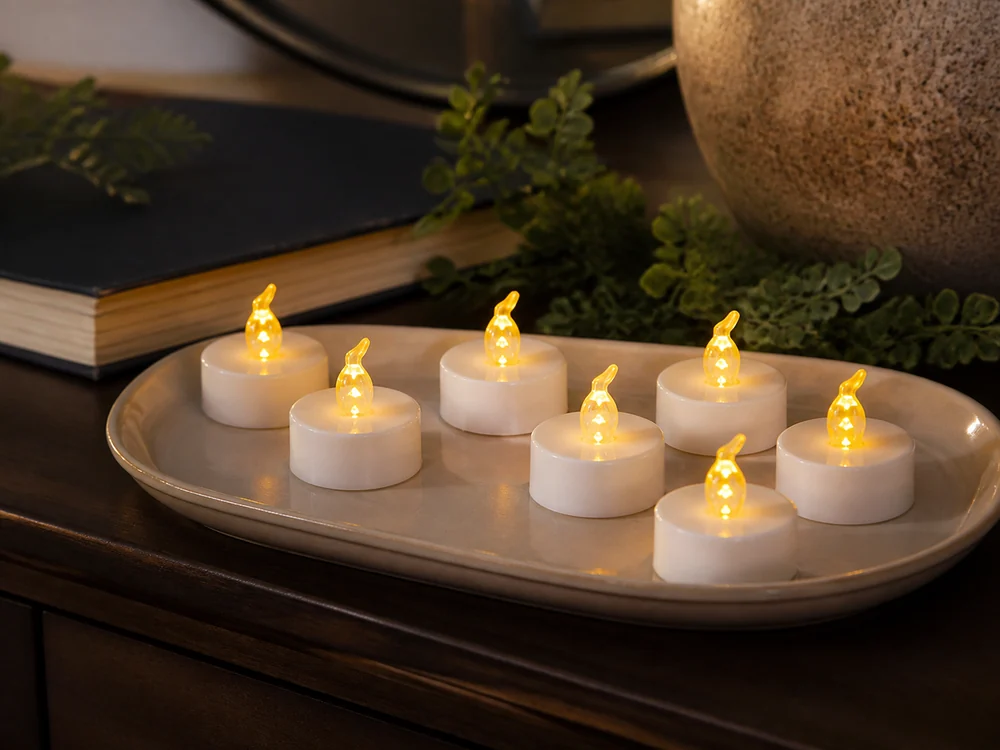
Product context: Review the primary Zabicat product, compare this related electronic candle option, and read the relevant Zabicat guide. The referenced Zabicat pack contains 24 white tea lights with warm yellow LED tips, replaceable CR2032 button cells, and a six-hour timer stated on the product page.
How Long Do Battery Operated Candles Last Depends on Use
How long do battery operated candles last has no honest universal answer. Runtime depends on the candle circuit, LED mode, brightness, timer schedule, cell chemistry, cell quality, temperature, and the point at which the user considers the light too dim. A product may still glow after it stops looking useful in decor.
Use listing details as a starting point, then test the actual product in the intended routine. The Zabicat tea-light example uses replaceable CR2032 cells and a six-hour timer. That tells you the power format and daily schedule, but it does not justify inventing a total-hour guarantee that the listing does not provide.
Timers Change Calendar Life, Not Battery Capacity
A six-hour timer limits how many hours the candle operates each day. It does not increase the energy stored in the cell. If two identical candles use the same mode, the timed one may last more calendar days simply because it remains off for more of each day.
Confirm how the cycle works. Some timers repeat from the moment they are activated, while others reset after the switch moves or the cell changes. Start all pieces together if a matched display matters, and write down the activation time instead of relying on memory.
Brightness and Flicker Affect Consumption
Higher brightness usually draws more energy than a lower setting, and active moving or flicker mechanisms may use power differently from a steady LED. The exact difference belongs to the product design. Test the mode you plan to use rather than assuming the most dramatic setting will have the same service life.
Judge brightness from the normal viewing distance. A tea light can remain visibly on while no longer producing enough glow through a frosted holder. Define replacement by useful appearance, especially for restaurant tables, events, windows, and photographed displays.
Cell Quality and Storage Age Matter
Button cells that share the same size code can differ in age, manufacturing quality, storage history, and actual capacity. Buy from a reliable source, check dates and packaging, and keep spare cells in a cool dry place. Do not mix old and new cells within a matched display if consistent output matters.
Extreme heat or cold can change battery performance. Indoor decorative candles should stay away from radiators, hot windows, damp porches, and unconditioned storage unless the listing supports those conditions. Room placement affects both the electronics and the practical brightness you see.
Build a Simple Runtime Test
Choose three representative candles from the pack, install matched fresh cells, activate the intended mode and timer, and photograph them from the same position each day. Note when one becomes visibly dimmer, when synchronization changes, and when the group no longer meets the display standard.
This is not a laboratory capacity test, but it is a useful operational test for your own room. Keep the conditions consistent and record them. A dated log provides better planning evidence than remembering that a previous set seemed to last several weeks.
Replace Cells Before Important Events
Do not begin a wedding, dinner service, holiday window display, or long gathering with candles that are already near the end of useful brightness. Test them several days ahead. Replace or recharge the weak units, then run the full group for a short confirmation period.
Keep a labeled spare pack and the correct tool if the battery door requires one. Avoid opening tiny compartments over food, carpet, or crowded tables where button cells can be dropped. Service the candles on a clear tray under good lighting.
Use Button Cells With Extra Care
CR2032 and other button cells are small enough to create a serious ingestion hazard. Keep new and used cells secured away from children and pets, and close compartments completely. A decorative tea light should not remain in service if the battery door is loose or damaged.
Follow local disposal or recycling guidance and tape or isolate used cells when required by the collection program. Do not leave depleted cells loose in drawers. Battery management is part of owning the product, not a detail to address only when the light goes dark.
Safety Context and Honest Expectations
Battery candles avoid a burning wick, while traditional candles require strict attention around fabric and decorations. The NFPA candle safety guidance explains those open-flame concerns. Electronic products shift the maintenance focus to cell security, dry placement, and intact housings.
Treat any precise runtime claim as meaningful only when the test conditions are stated. For buying decisions, prioritize timer behavior, correct cell type, easy compartment access, consistent LED tips, and a pack size that includes a practical reserve. Those factors are easier to verify than a vague promise of long life.
Decision Notes for How Long Do Battery Operated Candles Last
Measure the display: Record the candle model, cell brand and date, daily timer hours, brightness or flicker mode, room temperature, and the date when output becomes visibly too dim. Write the dimensions beside the product listing before ordering. This small step prevents a decorative image from overriding holder fit, access, and the true amount of space available.
Identify the likely failure: A single advertised runtime figure is misleading when the listing does not define the cell, mode, brightness threshold, temperature, and test method. Planning around the weak point creates a more reliable result than adding features that do not solve the daily problem.
Define the routine: Run a small home test with two or three units before a major event, logging start time and visible brightness at the same point each day. A repeatable routine is evidence that the product suits the setting. If the process sounds inconvenient before purchase, another power type, pack size, or candle shape may be the better choice.
A Practical Evaluation Worksheet
Create a one-page worksheet before buying how long do battery operated candles last. In the first column, record only facts visible on the current product page: dimensions, quantity, power source, included controls, timer choices, charging or cell requirements, body material, and light-tip design. In the second column, record facts about the destination: available width and height, holder dimensions, outlet access, moisture exposure, viewing distance, operating frequency, and the person responsible for maintenance. A product belongs on the shortlist only when both columns agree.
Then run a small scene test for how long do battery operated candles last instead of decorating the whole room at once. Use one holder or tray, photograph the candle while switched off and on, view it from the normal seated or standing position, and practice the full service step. That step may mean lifting the unit for charging, opening a battery door, cleaning a recessed top, or collecting several pieces after use. The test reveals practical friction that specifications alone cannot show, while keeping the recommendation grounded in observable evidence rather than assumptions.
Care, Storage, and Product Review
Replace cells as a matched group when consistent brightness matters, clean the contacts gently, and remove cells before long storage. Protect the light tips from pressure, keep accessories with the set, and stop using any piece with visible damage. Clean condition matters because dust and residue alter both close-up appearance and light spread.
For how long do battery operated candles last, review the product page again when reordering because pack contents, controls, and specifications can change. This article was checked against current Zabicat listing details on July 13, 2026. The styling recommendations are editorial guidance, not a laboratory performance test or a substitute for the manufacturer’s instructions.
FAQ
Does a timer make battery candles last longer?
It can extend calendar life by limiting daily operating hours, but it does not increase the battery’s stored energy.
Should all tea-light batteries be changed together?
For a matched display, group replacement can keep brightness consistent. Test first and avoid discarding useful cells unnecessarily.
Why is one battery candle dimmer than the others?
Possible causes include cell age, contact condition, mode differences, temperature, or variation in the candle electronics.
Bottom line: Choose how long do battery operated candles last only after the size, power routine, electronic flame shape, control method, and maintenance plan all fit the real setting. A clear product match creates better decor and fewer surprises than a purchase based only on a distant glow photo.